Clear Skies SALE... 70% off ending soon!
We believe anyone can capture stunning Milky Way photos...
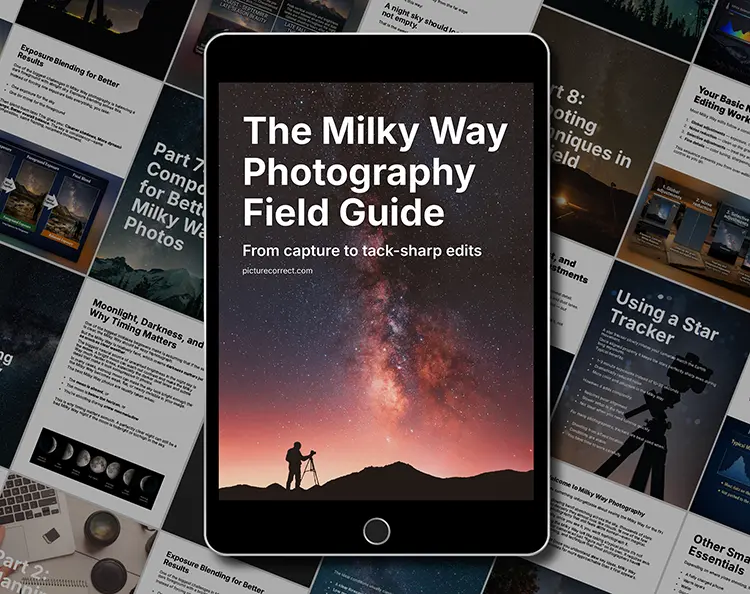
The Milky Way Photography Field Guide is here to help
- Plan, shoot, and edit with confidence
- No more blurry stars or noisy images
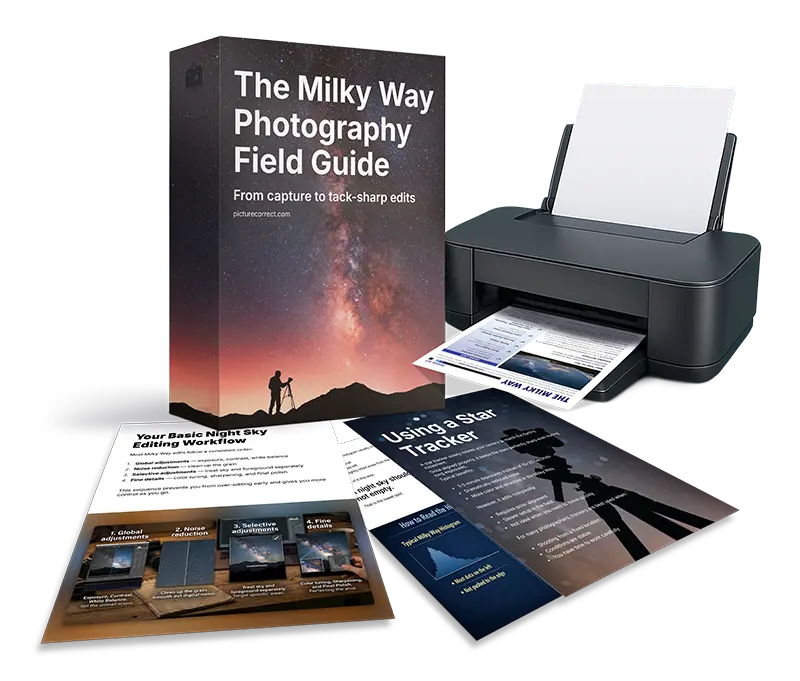
- Download to any device or print. 70% off today!
AS FEATURED ON:




Finally Capture the Milky Way the Way You've Imagined
You’ve seen the photos.
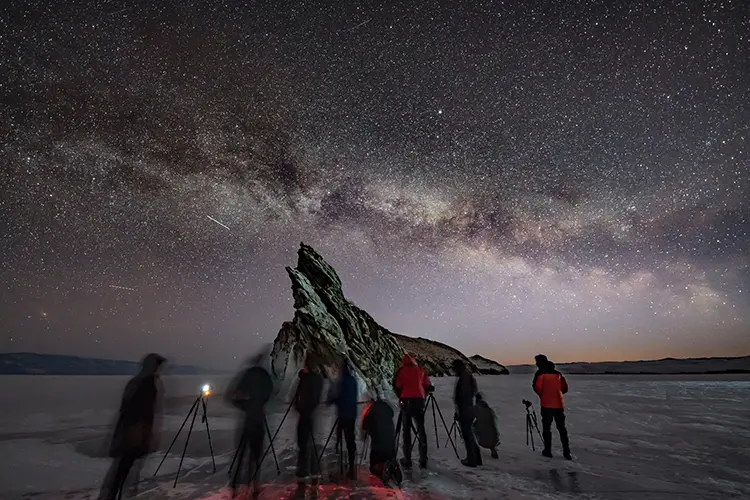
Bright, detailed stars. A glowing galactic core stretching across the sky. Landscapes that feel almost unreal.
Then you go out and try it yourself…
…and end up with dark, noisy images, blurry stars, or a sky that barely shows anything at all.
That gap between expectation and result is where most photographers get stuck. This Guide was created to close that gap.
A Complete System — From Planning to Final Edit
This isn’t just a list of camera settings.
It’s a step-by-step system that shows you exactly how to go from:
- Not knowing when or where to shoot
- Struggling with camera settings in the dark
- Getting inconsistent or disappointing results
…to confidently capturing clean, sharp, detailed Milky Way images.
You’ll learn how to:
- Find the Milky Way at the right time and location
- Plan shoots around moonlight, weather, and visibility
- Dial in camera settings that actually work in the field
- Focus accurately in complete darkness
- Avoid blurry stars and excessive noise
- Edit your photos so they look natural, not overprocessed
Included Bonuses Today:
500 Rule Printable Cheat Sheet
A Milky Way field cheat sheet with quick guidance on the 500 Rule and how to spot exposure issues—so you can adjust fast on location.
Sample Milky Way Shooting Scenarios
Real-world setups that show exactly how to adjust your settings for different Milky Way conditions—so you know what to do in any scene.
App Tutorials and Resources
Step-by-step guides to the best planning apps and tools—so you can easily find, track, and photograph the Milky Way at the right time and location.
Table of Contents
Introduction
- Welcome to Milky Way Photography
- Why Photographing the Milky Way Feels Difficult at First
- What This Guide Will Help You Achieve
- What Makes a Great Milky Way Photo?
Part 1: Understanding the Milky Way
- What You’re Actually Photographing
- The Bright Core vs. the Fainter Milky Way
- When the Milky Way Is Visible
- Best Seasons for Milky Way Photography
- Moonlight, Darkness, and Why Timing Matters
- How Light Pollution Affects Your Photos
Part 2: Planning the Shot
- How to Find Dark Skies
- How to Check Milky Way Visibility
- Best Apps and Tools for Planning
- How to Predict the Position of the Galactic Core
- Choosing the Right Night to Shoot
- Weather, Clouds, Haze, and Atmospheric Conditions
- How to Scout a Location in Advance
- Safety and Night Shooting Preparation
Part 3: Gear You Actually Need
- Do You Need Expensive Gear?
- Best Cameras for Milky Way Photography
- Why Wide-Angle Lenses Help So Much
- Fast Apertures Explained (f/1.4, f/1.8, f/2.8, etc.)
- Tripods: Why Stability Matters
- Remote Shutters, Timers, and Avoiding Camera Shake
- Headlamps, Batteries, and Night Essentials
- Optional Gear That Can Help
- What Gear Matters Most (If You’re on a Budget)
Part 4: Camera Settings That Actually Work
- The Core Exposure Formula for Milky Way Photos
- Best Aperture Settings
- Best ISO Settings
- Best Shutter Speed Settings
- Why Manual Mode Matters Here
- RAW vs JPEG
- White Balance for Night Photography
- How to Read the Histogram at Night
- Recommended Starting Settings for Beginners
Part 5: Sharp Focus in the Dark
- Why Focusing at Night Is So Hard
- How to Focus on the Stars
- Manual Focus Step-by-Step
- Using Live View to Nail Focus
- How to Know if Your Stars Are Truly Sharp
- Why Infinity Focus Isn’t Always Reliable
- How to Recheck Focus During a Shoot
Part 6: Exposure Without Star Trails
- What Causes Star Trails
- The 500 Rule Explained
- Why the 500 Rule Isn’t Always Accurate
- The More Accurate NPF Rule
- How Focal Length Changes Exposure Limits
- How to Balance Brightness vs. Sharp Stars
- When Slight Trails Are Acceptable
Part 7: Composition for Better Milky Way Photos
- Why Some Milky Way Photos Feel Amazing — and Others Don’t
- Using Foregrounds to Create Depth
- How to Frame the Milky Way Core
- Leading Lines at Night
- Silhouettes, Trees, Mountains, Arches, and Structures
- Balancing Sky vs. Foreground
- Vertical vs. Horizontal Milky Way Compositions
- How to Avoid Empty, Boring Night Scenes
- Simple Composition Ideas That Work Almost Anywhere
Part 8: Shooting Techniques in the Field
- Your Step-by-Step Milky Way Shooting Workflow
- How to Set Up Quickly in the Dark
- How to Take a Test Shot and Adjust Fast
- How to Fine-Tune Exposure on Location
- When to Raise ISO vs. Lengthen Shutter Speed
- How to Shoot Multiple Compositions Efficiently
- How to Work Fast Before the Milky Way Moves
- Common Mistakes in the Field
- How to Recover From a Bad Start Mid-Shoot
Part 9: Advanced Techniques
- Panoramic Milky Way Photography
- How to Shoot a Milky Way Panorama Step-by-Step
- Tracked vs. Untracked Milky Way Photography
- Using a Star Tracker
- Exposure Blending for Better Results
- Blue Hour Foreground + Night Sky Blend
- Focus Stacking for Foreground and Stars
- Noise Reduction Through Image Stacking
- When Advanced Techniques Are Worth It — and When They’re Not
Part 10: Editing Milky Way Photos
- What a Good Milky Way Edit Should Actually Do
- Your Basic Night Sky Editing Workflow
- Exposure, Contrast, and White Balance Adjustments
- Bringing Out the Milky Way Without Overprocessing
- How to Edit the Sky Separately
- How to Edit the Foreground Separately
- Noise Reduction Without Destroying Detail
- Color Balance for Natural-Looking Night Skies
- Sharpening Stars Carefully
- How to Avoid the “Fake Milky Way” Look
Part 11: Common Problems and How to Fix Them
- Why Your Milky Way Looks Too Faint
- Why Your Image Is Too Noisy
- Why Your Stars Aren’t Sharp
- Why Your Foreground Looks Too Dark
- Why Your Photo Looks Flat and Unimpressive
- How to Fix Color Casts and Weird Sky Tones
- Why Your Composition Feels Weak
- What to Do If Conditions Aren’t Ideal
Part 12: Milky Way Photography by Situation
- Milky Way Over Mountains
- Milky Way at the Coast
- Milky Way in the Desert
- Milky Way Over Forests and Trees
- Milky Way With Reflections
- Milky Way Near Abandoned Buildings or Structures
- Milky Way While Traveling
- What to Do in Less-Than-Perfect Locations
Part 13: Practice and Progress
- Your First 3 Milky Way Shoots: What to Expect
- How to Improve Faster
- What to Review After Each Shoot
- How to Build a Repeatable Milky Way Workflow
- How to Know When You’re Ready for More Advanced Techniques
Quick Reference Section
- Milky Way Photography Cheat Sheet
- Recommended Starter Settings
- 500 Rule / NPF Quick Reference
- Night Shoot Packing Checklist
- Pre-Shoot Planning Checklist
- On-Location Shooting Checklist
- Editing Checklist
Bonus Sections
- Best Beginner Milky Way Locations
- Recommended Apps and Resources
- Sample Milky Way Shooting Scenarios
- My Favorite Milky Way Mistakes to Learn From
- Final Thoughts: How to Keep Going
Cheat Sheets
- Milky Way Field Cheat Sheet
A publisher you can trust
When choosing photography resources, trust matters. You want to know you’re learning from a source that has consistently delivered value, supported its customers, and built a real community over time—not something that just appeared overnight.
(Incorporated in 2007)
(all experience levels)
That track record isn’t accidental. It comes from a long-term focus on helping photographers improve with clear, practical guidance—and backing it up with responsive support and a straightforward guarantee.
Frequently Asked Questions
Via instant download! You’ll be presented and emailed a download link for the guide immediately after purchase so you can start reading today or whenever you feel like it.
Our guides come in PDF format for easy reading and printing. They can be read on computers, phones and tablet computers. PDF is the most popular file format for hardcopy documents and therefore can be read on the most devices. With 10,000’s of happy customers we’ve had 0 compatibility issues so far.
You can quickly and easily print them at the standard print size 8.5” by 11” and they work great. However smaller can be more convenient as well. I recently printed them at 5.8” x 7.5” and I like that size a lot. Feel free to print them at the regular size as well as a smaller size and see which you like better.
PictureCorrect Inc was founded in 2003 to be an educational resource to photographers of all experience levels and has served Millions of visitors! Our goal is to serve some of the best information that is relevant to photographers everywhere.
These cheat sheets help with DSLRs, Mirrorless cameras, and basic cameras. They even have tips and settings for smartphone and cameraphone users. If you find they aren’t helpful with your camera, simply take advantage of the 90 day money back satisfaction guarantee.
Photography cheat sheets are beneficial for all skill levels. For novices, they simplify complex photographic concepts, making them easier to grasp. For seasoned photographers, they serve as handy reminders and might even introduce new techniques. With their succinct format, cheat sheets aid in the learning and creative journey of everyone involved in photography, ensuring consistent results and broadened skill sets.
Join the Millions of Photographers who have improved their photography through PictureCorrect Inc.
“PictureCorrect is an invaluable source of knowledge and inspiration for anyone who wants to take amazing photographs wherever they go.”

- Ian Plant
“This has been my favorite photography website for a number of years. I just wanted to thank you for providing this wonderful enjoyable and the educational articles. I continue to enjoy checking in frequently and improving my photography knowledge.”
- Ken Jones
“I was skeptical that a single eBook could cover so many things, but you managed to do it and in such great detail!”

- Mark Cooper
“It’s by far really the best photography book I’ve ever read, a helper in any situation from beginner to pro.“

- Peter Leinfellner
“A fantastic reference to remind yourself of the many techniques, settings, and concepts you might need to call upon when the moment strikes.”

- Steve Arnold
The current deal for the flash sale:
Our team of photographers, writers, a graphic designer, and layout designer have worked tirelessly to bring you the ultimate Milky Way Photography Field Guide. They have spent countless hours researching, writing, designing, and perfecting each chapter to ensure they provide the most valuable and comprehensive information for photographers of all levels.
It was a tremendous effort to make sure our guides are not only informative but also visually pleasing. Hard work and dedication have resulted in a truly exceptional product that we believe will be a valuable resource for all photographers.
The Milky Way Photography Field Guide & Bonuses normally retail for over $89. But for this online flash sale, they are available for only $27.

Our products also come with a 90-day money back guarantee. If you are not completely satisfied with your purchase, simply contact us within 90 days of your purchase and we will refund your money in full. No questions asked.
Flash sale: only hours left!
$ 89
NORMAL PRICE
$ 27
PRICE TODAY
70% OFF
90-Day Money-Back Guarantee:
You love the Cheat Sheets or you don’t pay for them. Simple as that.
It's decision time! You've essentially got 2 options:
You love the Milky Way Photography Field Guide or you don’t pay for it. Simple as that.